Elements of Good Interior Design | Interior Decorating for Fine Art Prints

As a photographer, it's my goal to create images that people want to bring into their space. While my perspective is one of fine art photography and how to incorporate it in your space, there are a few other holistic interior design elements that should be considered to create a space that feels connected with the artwork. Let's take a look at more general interior design elements that can help you create a space you're looking for that complements your fine art print or prepares your room for a new print. Once your space is completed, you'll have a space that is coordinated and exudes the vibe you're looking for.
If you've not yet selected artwork for your space, you can review How to Transform Your Space with Fine Art Prints, Choosing the Right Size Fine Art Print for Your Space, or learn about the Room Mock Up and Design Service that I provide to help you envision the art in your space before you purchase.
If you've already chosen your artwork and are looking to create a coordinated look for your space, continue reading to learn more about elements of design to consider.
What's Your Style?
The first question to make sure you can answer is "What is your style?". Do you prefer a traditional or contemporary look? Let's briefly review what those styles look like and what types of items are incorporated into each style.
Traditional Style Elements
Consider traditional style elements if you've selected or would like a wood frame to display your fine art print. Wood frames bring a warm, traditional look to a space as well as an additional texture element. Consider adding furniture elements that complement the wooden frame both in texture and color. Traditional design items can include furniture like wingback chairs, woven rugs, crown molding, tufted sofas, decorative mirrors, and wooden tables, buffets, or shelving as well as rich paint colors.
Contemporary Style Elements

Consider contemporary style elements if you've selected or prefer an unframed metal or acrylic print. These options bring a more modern, minimalistic look to your room. Contemporary style elements usually include a more neutral paint palette like whites, grays, and tans, clean lines with little detail on furniture, unique lighting fixtures or lamps, few accessories to keep the focus on functionality and simplicity, and bold accent colors.
Design Your Color Scheme
Colors have a huge, immediate impact on the look and feel of a room. Different colors create different moods and influence the overall atmosphere of the room. For example, blues and greens tend to create a calm, relaxing feeling and can work well in a bedroom or bathroom while reds, oranges, and yellows can create a cozy, inviting feeling that works well in a living room or office space.
Look at the colors in the print and use them as the inspiration for the color scheme in the room. You can choose paint colors, fabrics, and accessories that complement or contrast the artwork. You can use neutral colors with a splash of color that highlights the print, or have a a room full of colors that coordinate with your print.
Creating contrast in your room with the colors can help bring attention to certain items and create interest that pulls you into the space. This can be done by using light and dark shades of the same color or by using complementary colors for a pop of color here or there.
Furniture and Accessory Selection
When selecting furniture for your room, keep in mind the style and color scheme considerations above. In addition to those items, you'll need to consider the comfort and functionality of the space. For the space to be inviting, the furniture needs to be comfortable and easy to use. Furniture that's not comfortable or difficult to get in and out of will likely lead to an unused space. Given you want the space to be used frequently, you'll also want to make sure you select quality furniture that will last and can withstand everyday use.
Selecting accessories should be the fun part! You've already got your fine art print and have decided on that traditional or contemporary style. When it comes to accessories, look for items that speak to you and match the style and colors of the room and fine art print. Finding accessories that can add texture like blankets, rugs, pillows and plants create depth and dimension in the room and are a great place to add accent colors. The trick with accessories is making sure they keep the space feeling cohesive and connected.
Lastly, consider the room layout and proportions when you select furniture. The furniture should fit the room but not overpower it. Consider how it will feel when there are guests and whether people can move about the room or whether there will be adequate seating for everyone. This is an important place to create balance in the space and find the "Goldilocks" solution that's "just right" for a space that has the look and feel you want along with the functionality and usability you desire. In fact, let's talk more about balance.

Creating Balance
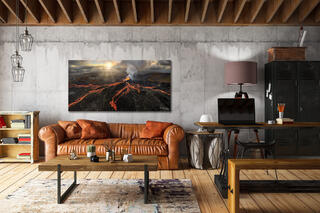
Balance in your room is critical to create a visually pleasing and functional space. Proportion is one way to create balance in a room. For example, one large sofa without another large item would likely appear to overpower the space. However, pair it with a large fine art print above it or on the opposite wall, and you create a sense of balance with like-sized items.
Color is another way to create balance in a room. Even if you're using multiple colors, keep similar color tones and intensities to create balance. This way, there's cohesion throughout the room and while there may be contrasting colors, you'll create a visual appeal across the space without items or colors that distract attention to just one area or item within the room.
Lighting is another way to create balance in a room. You'll want to make sure you have a light source on your fine art print that enhances the colors and details of the print. This will help create an immersive experience for people as they enter the room to bring their mind to a different place where they can feel the image and vibe of the room. Balancing the light on the fine art print with other light sources in the room, whether natural light or artificial, will keep the entire room feeling inviting.

Print Placement Considerations
While we've covered a lot of interior design items, I want to make sure to mention placement of your fine art print. The room layout will likely depend on the size of the image you've selected. If you're fine art print is large, you'll want to make sure it's on a wall that is easily visible. Keep distractions like a television, large accessories, or furniture from blocking its view.
If you're print is on the smaller side, place complementary items around it that can help draw attention to the space. For example, a small table in front of the image with appropriately sized accessories will bring attention to the area.
Whether your print is smaller or larger, look for a room layout that places your image in a space that is proportional to your image. A large print can overpower a small space and a small print can get lost on a large wall and not have the impact or attention draw that you desire. Lastly, keep your print at eye level so it is easily seen and appreciated.

Bottom Line: Love Your Space
While there are all of the above considerations for good interior design elements, you're really looking to create a space you love. When it comes down to it, pick your favorite colors, shades, hues, textures, furniture and, of course, your favorite fine art print. If you love multiple styles, consider decorating different rooms in your home with different styles so you can keep each room cohesive and connected with a theme or vibe.
Bottom line: Create a space you love to be in and makes you feel good even if you break a few of the above guidelines.